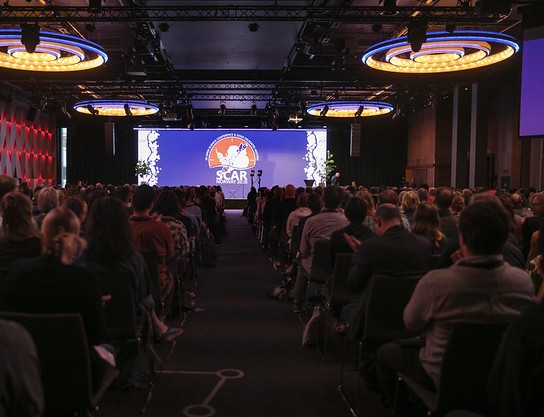
Held in Oslo, Norway, from 8 to 19 August 2026, the Scientific Committee on Antarctic Research (SCAR) conference brought together researchers, scientists and experts from across the international Antarctic community to exchange knowledge, present recent results and discuss priorities for future Antarctic research.
A dedicated session entitled ‘Human Research Biomedical Experiments at Concordia Station’ was held at the conference, highlighting the scientific activities conducted at the Concordia research station in Antarctica. The session was organised in close cooperation with ESA’s partners, the French Polar Institute Paul-Émile Victor (IPEV) and the Italian National Antarctic Research Program (PNRA).
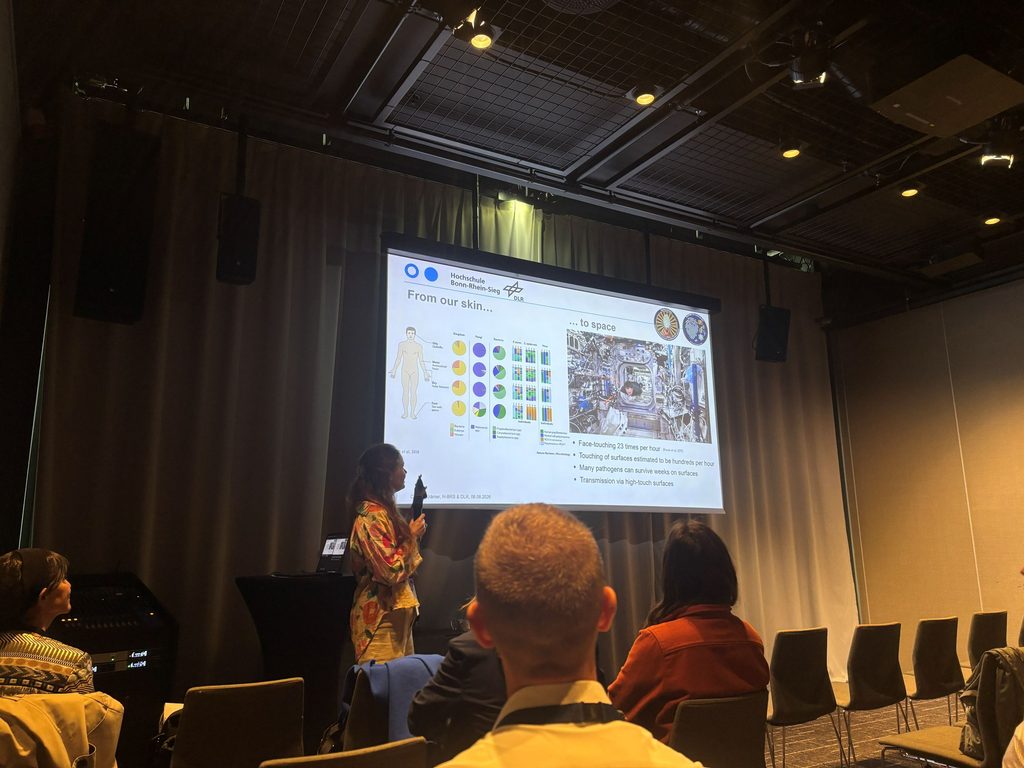
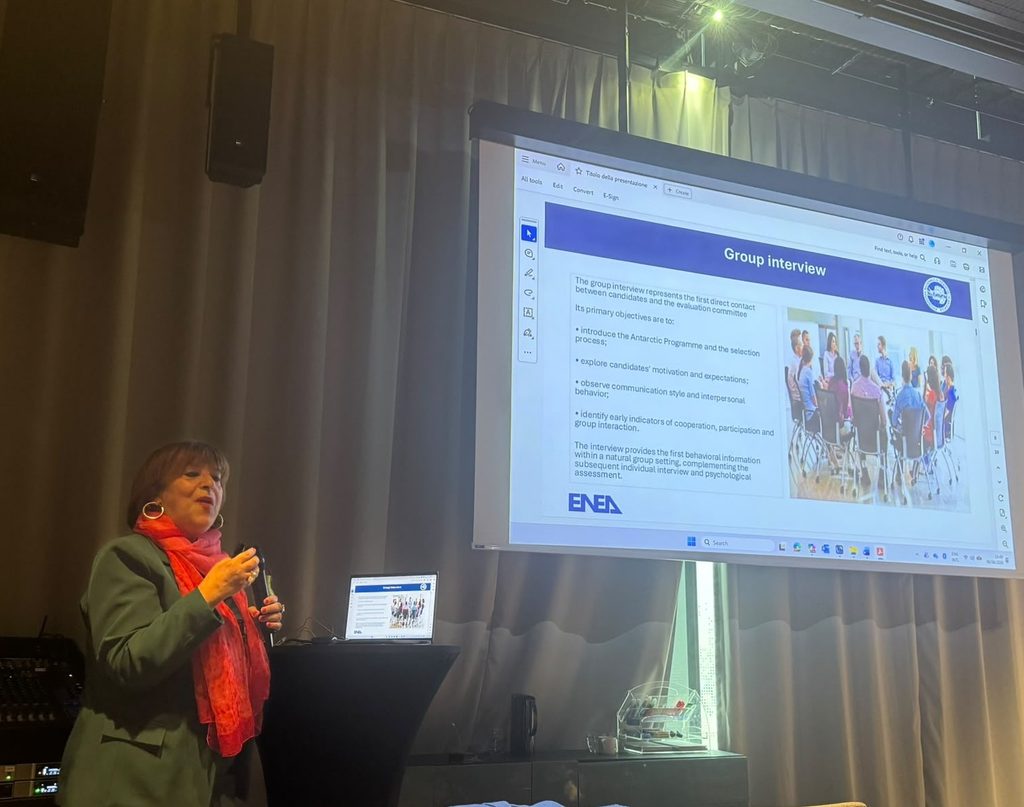
Researchers involved in studies at Concordia presented their latest results, covering human health, biology and human performance in the extreme Antarctic environment. The presentations offered an opportunity to share findings from long-duration stays at Concordia and discuss how this research can improve our understanding of human adaptation to extreme and isolated conditions.
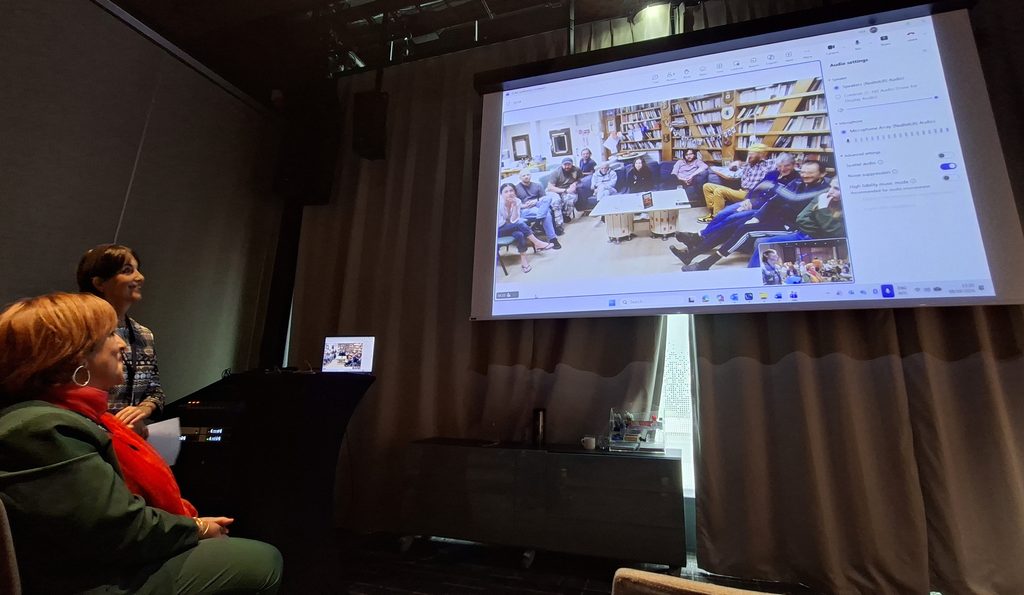
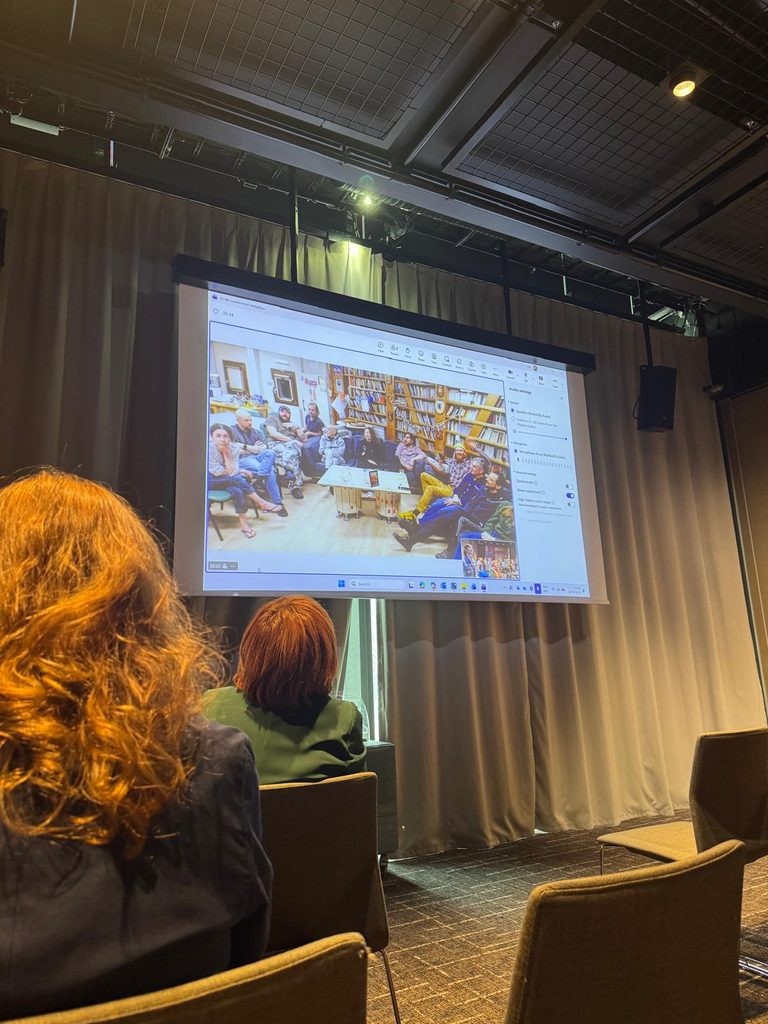
A highlight of the session was the live connection with Concordia. Crew members joined remotely, giving participants in Oslo a direct link to the station and an opportunity to hear from the people currently living and working in this remote environment.
Concordia’s isolated and confined environment provides a valuable analogue for future human exploration. The station’s extreme conditions, geographical isolation, limited external support and prolonged confinement allow researchers to investigate how humans adapt physically and psychologically to long-duration missions. These insights are relevant to future exploration of the Moon and Mars, where crews may face prolonged periods of isolation and confinement, limited resources and challenging environmental conditions.
Research at Concordia can help scientists understand and mitigate potential risks associated with future long-duration exploration missions. Studies of crew health, human performance, sleep, behaviour, cognition, the immune system, team dynamics and medical support can inform the development of technologies, operational procedures and countermeasures to maintain crew health and performance during missions beyond low Earth orbit.
As Europe prepares for future human exploration of the Moon and, ultimately, Mars, Concordia continues to provide a unique real-world environment in which to study the challenges of living and working in extreme, isolated and confined conditions. The SCAR 2026 session provided a platform to showcase these scientific achievements, strengthen cooperation between ESA, IPEV, PNRA and the wider scientific community contributing knowledge that could support future exploration missions.
To the event page: https://scar2026.org/