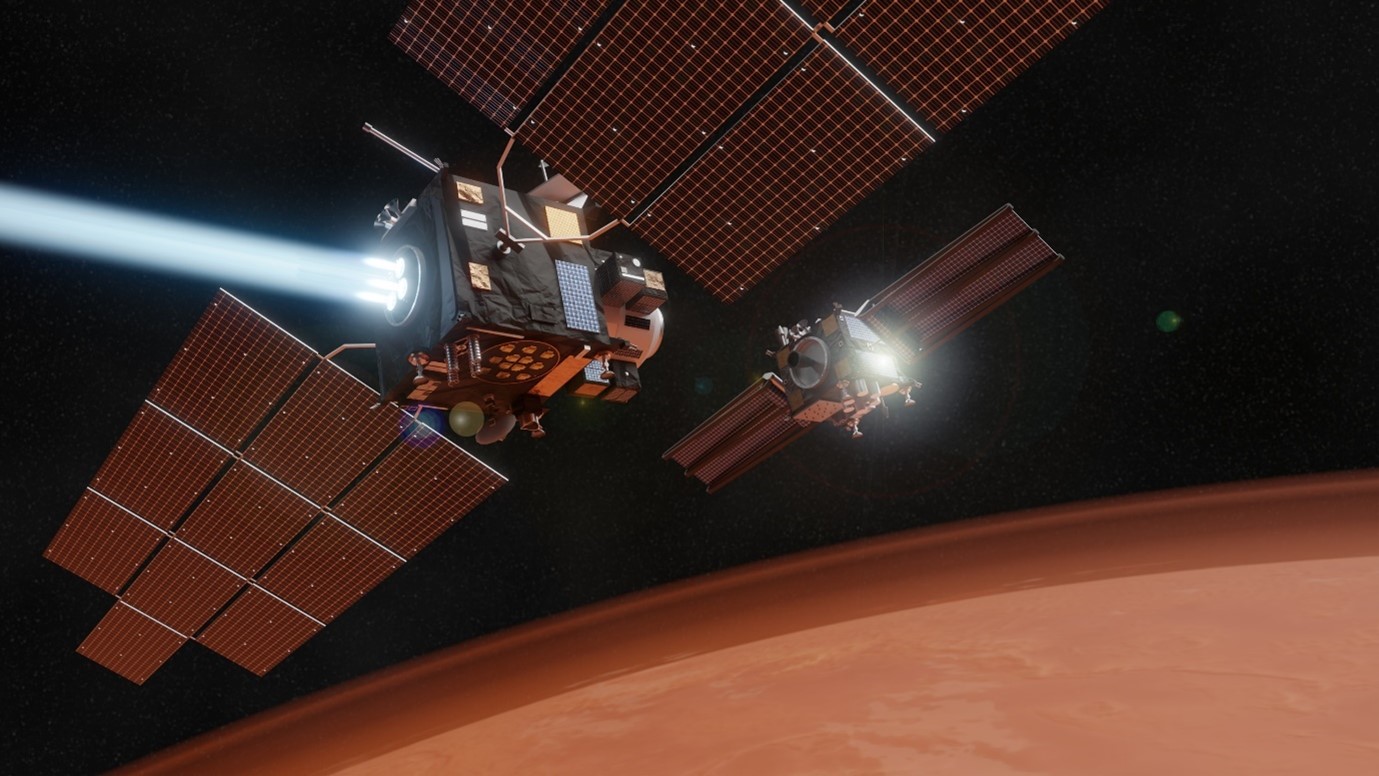
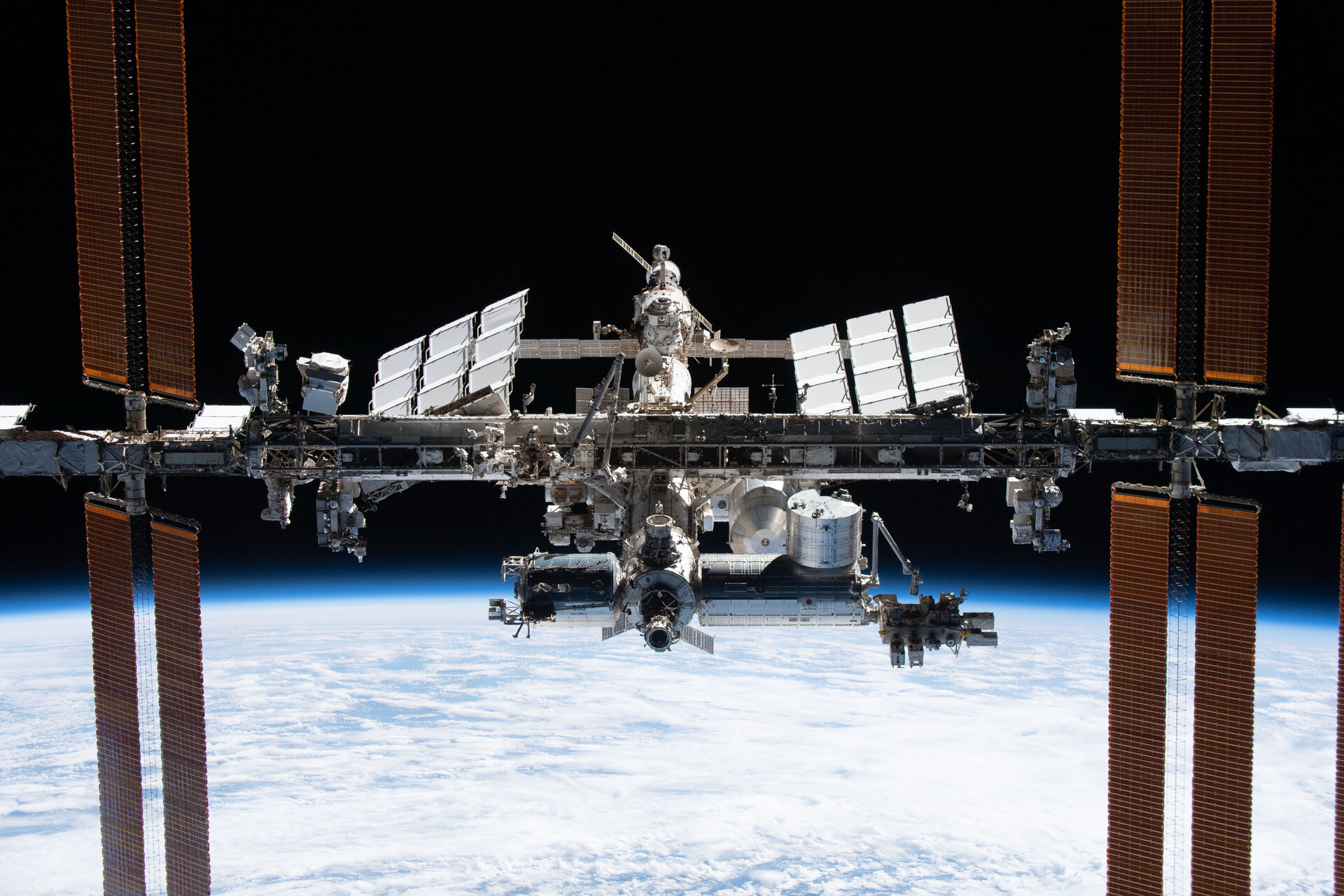
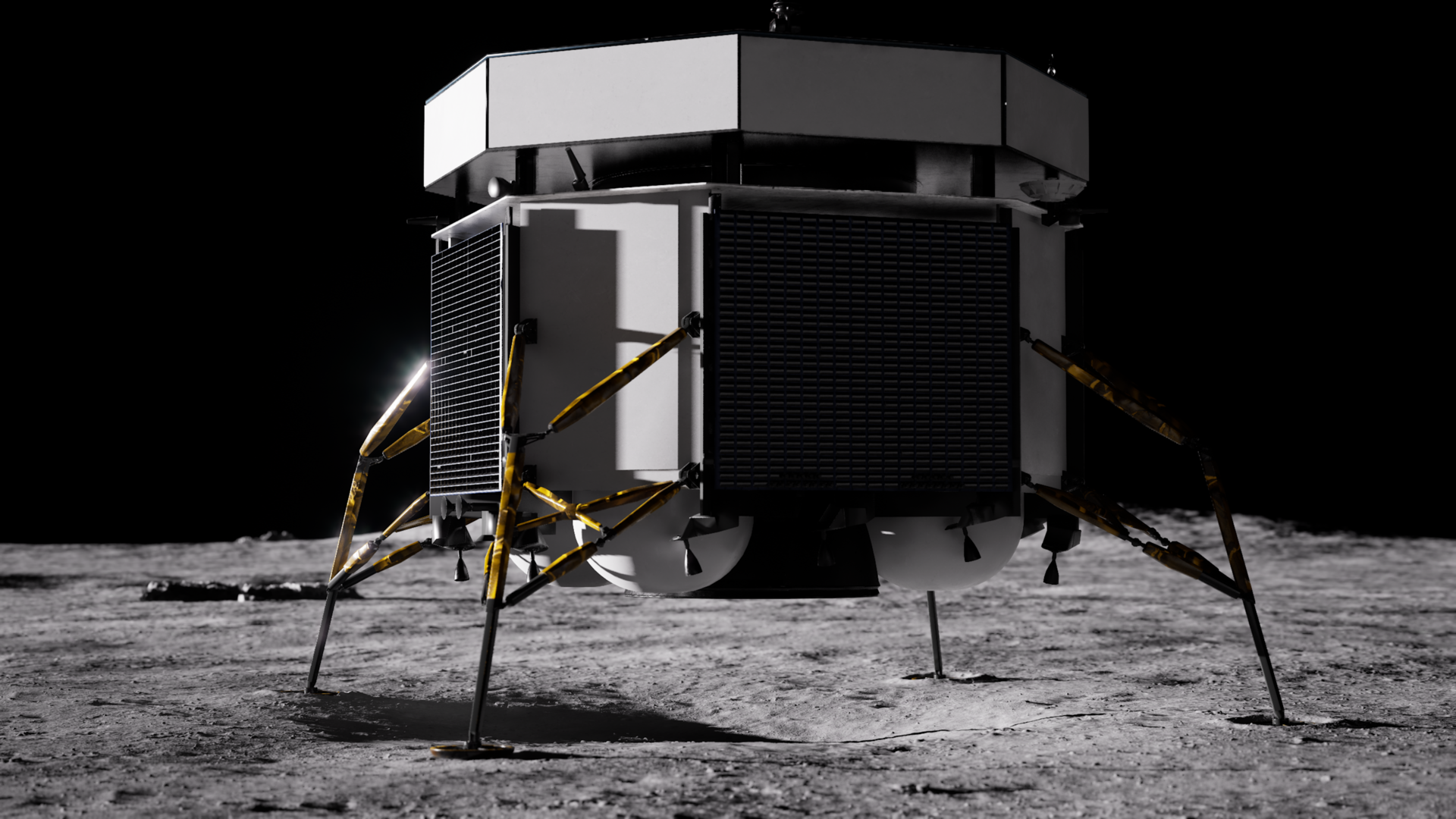
As a core and transversal element of Human and Robotic Exploration, Exploration Science drives our journey, focusing on the science that enables us to explore (exploration-focused science), and the discoveries that become possible only when we do (exploration-enabled science).
We are learning how to live and work sustainably beyond Earth, using local resources on the Moon and Mars, understanding how space environments affect our systems and astronauts, protecting the places we explore, and ensuring our crews remain healthy, capable, and resilient. At the same time, we are pushing the frontiers of fundamental science (from physics to biology), using the unique conditions of space to reveal new insights into matter, life, and the universe. These discoveries also benefit life on Earth, advancing medicine, materials, and sustainability.
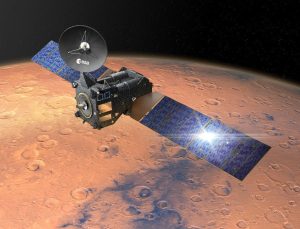
Our strong portfolio of research in physical, life, and planetary sciences brings together thousands of scientists from across Europe and around the world. From the microgravity of Low Earth Orbit to the Moon and Mars, we are developing the knowledge and technologies for sustainable exploration, mapping the Moon’s resources, and searching for signs of life beneath the Martian surface.
Exploration-Focused Science
Advancing the fundamental knowledge and capabilities required for successful exploration by reducing risk and maturing critical technologies in key domains:
- Local resources: Determining the presence, abundance, distribution, and potential functional and structural utility of surface and near-surface resources (water, minerals, materials) on the Moon and Mars. This also entails eventual resource extraction.
- Space environment and effects: Determining environmental characteristics and dynamic processes in space, exospheres, atmospheres, and surfaces. Investigating effects on exploration systems and monitoring environmental impacts of human activity.
- Crew health and performance: Investigating physiological adaptations, addressing behavioural and radiation-related health risks, and developing countermeasures and medical capabilities for long-duration missions.
- Habitation: Creating sustainable environments where humans can live and work effectively in space and on other planetary surfaces, maximise crew comfort, and provide life support and food.
Exploration-Enabled Science
Enabling curiosity-driven, world-class research across the HRE destinations and platforms, encompassing fundamental and applied life and physical sciences, planetary geology, and the search for life beyond Earth.