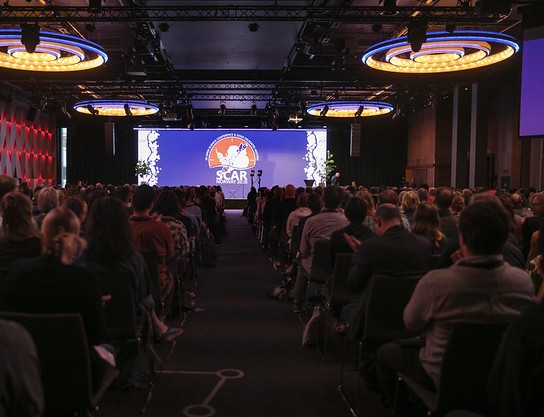
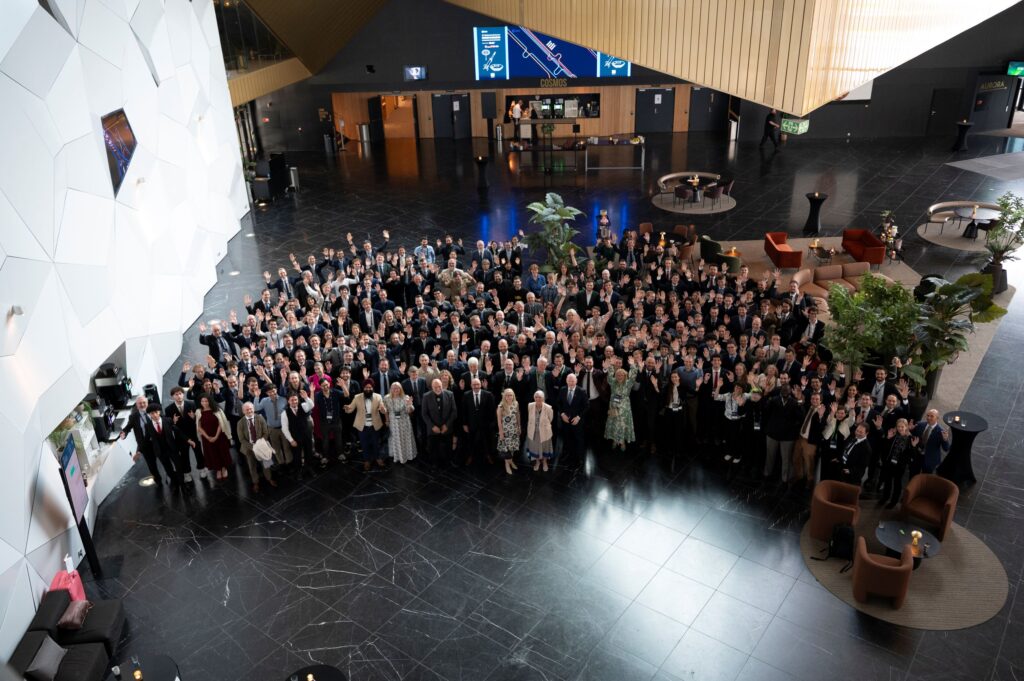
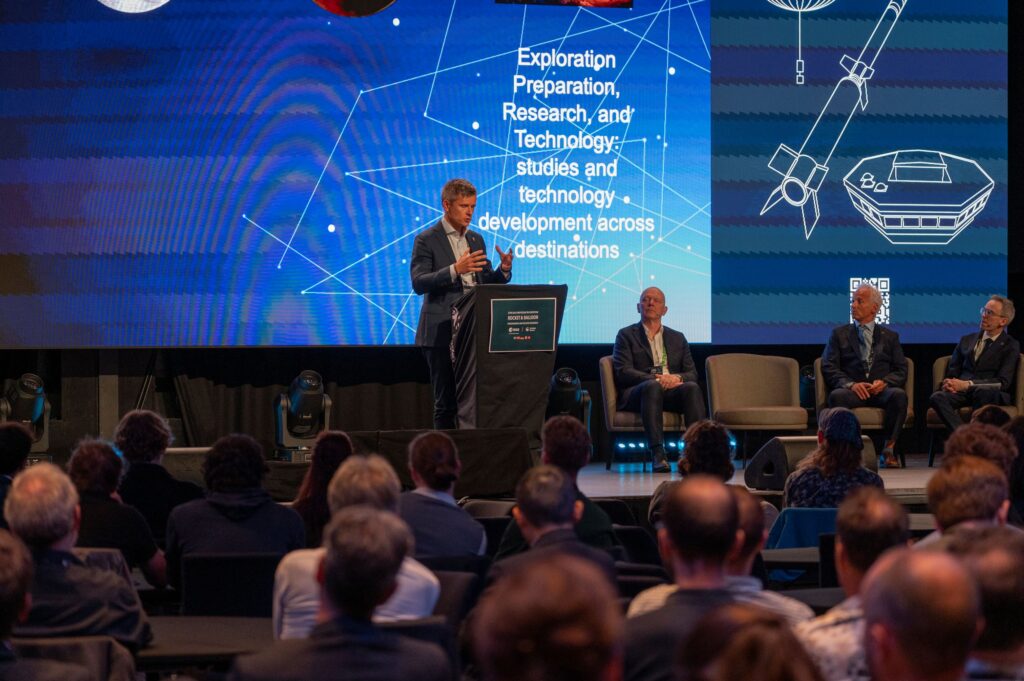
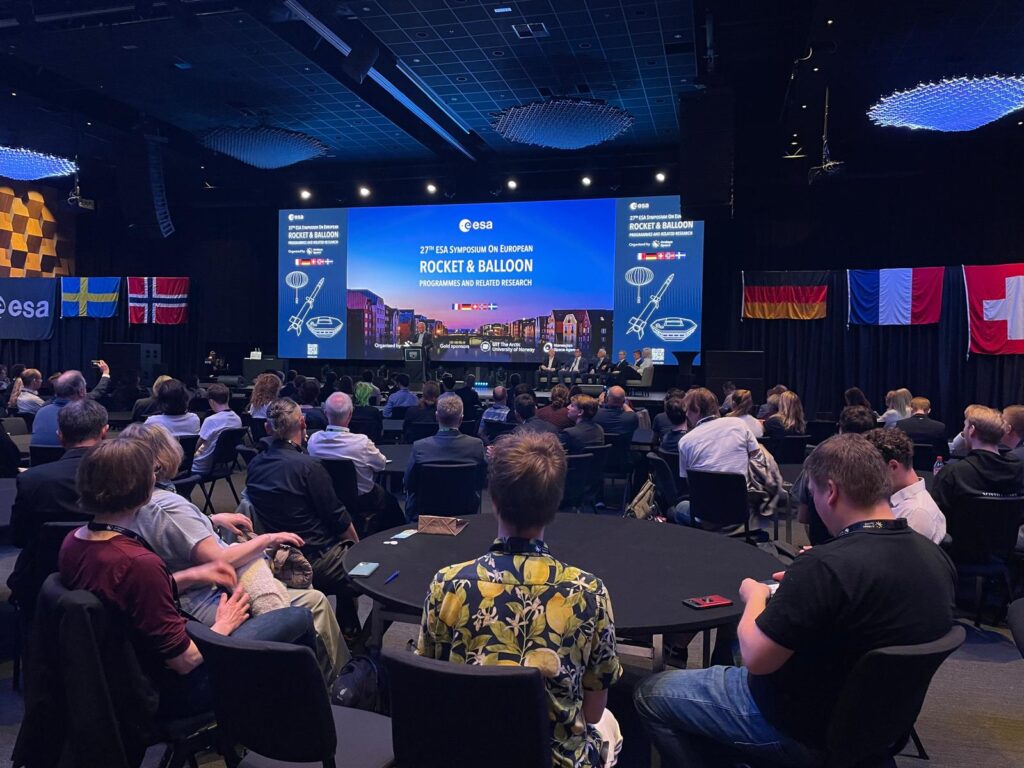
The 27th ESA Symposium on European Rocket and Balloon Programmes and Related Research took place from 31 May to 4 June 2026 in Trondheim, Norway.
The symposium brought together researchers, engineers and students to present results and developments in the use of rockets and balloons for atmospheric and ionospheric studies as well as microgravity research, with an emphasis on building a global and responsible approach.
Keynote presentations covered biological research in microgravity, studies on granular materials and the physical principles of planet formation. They also addressed atmospheric measurements on sounding rockets, the use of rockets and balloons in education, as well as an overview of the technical infrastructure available in the Participating States.
Students involved in the REXUS/BEXUS programme contributed to the symposium, highlighting hands-on activities supported by ESA Education.
Recent campaigns continue to investigate the middle atmosphere and orbital debris, including the study of re-entering particles. A workshop co-organised by DLR Moraba (Mobile Rocket Base), SSC Esrange and Andøya Space presented initiatives such as the Atmospheric Composition in the Constellation Era (AC2E), which aim to improve understanding of the impact of rocket launches and satellite re-entries on the atmosphere.
The symposium included contributions from partners outside Europe, including the United States, Canada and Brazil. The planned COBRA intertropical balloon launch base in Brazil will complement Arctic launch sites such as Esrange and Andøya, supporting a broader global approach to high-altitude research. Brazil has also indicated interest in resuming sounding rocket activities.
Expanding infrastructure, strengthening collaboration, supporting education and addressing environmental impact are the ideas shaping the future of the field.
Credits: Andoya Space