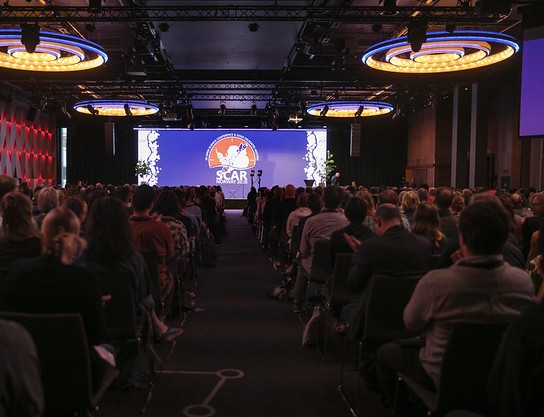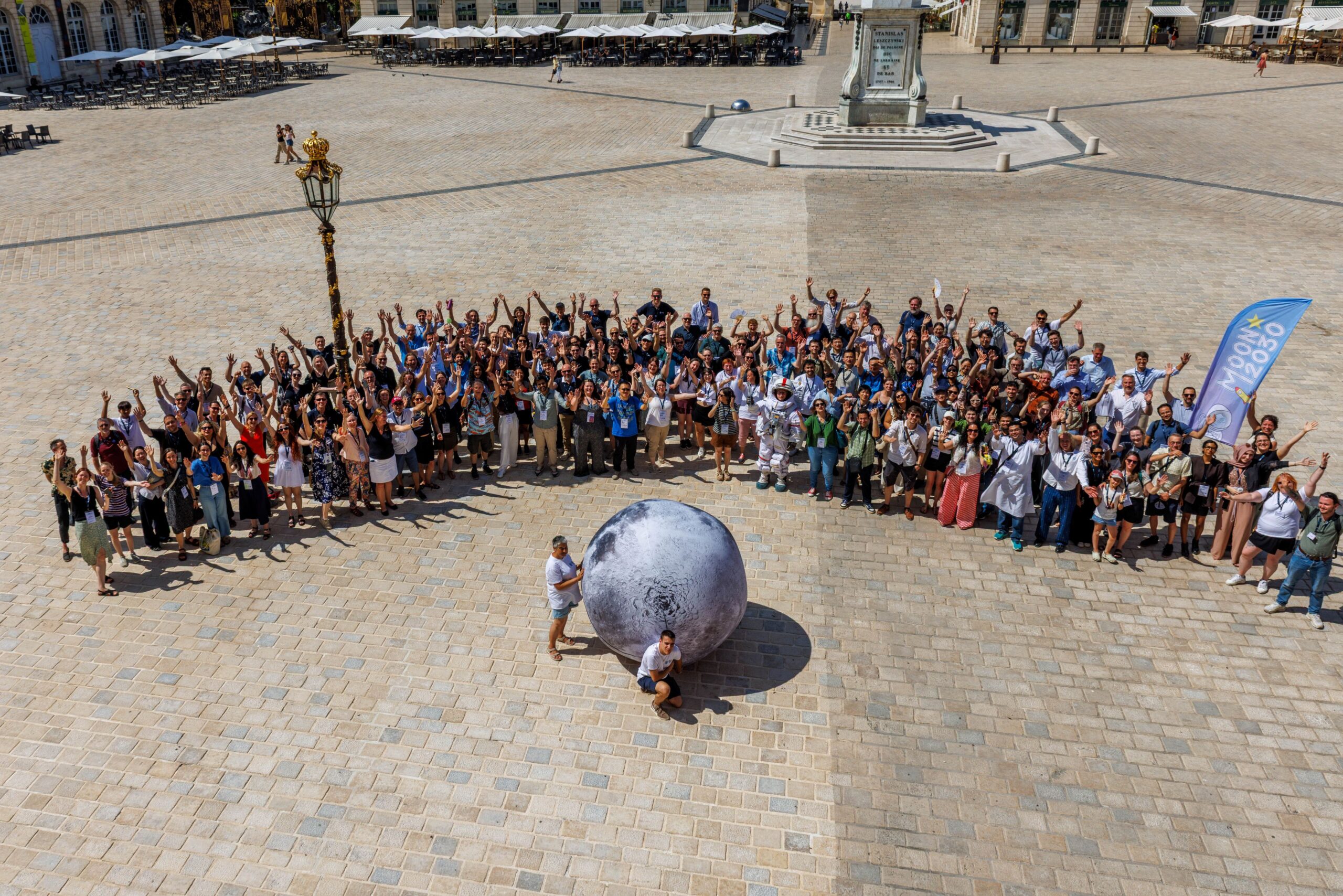
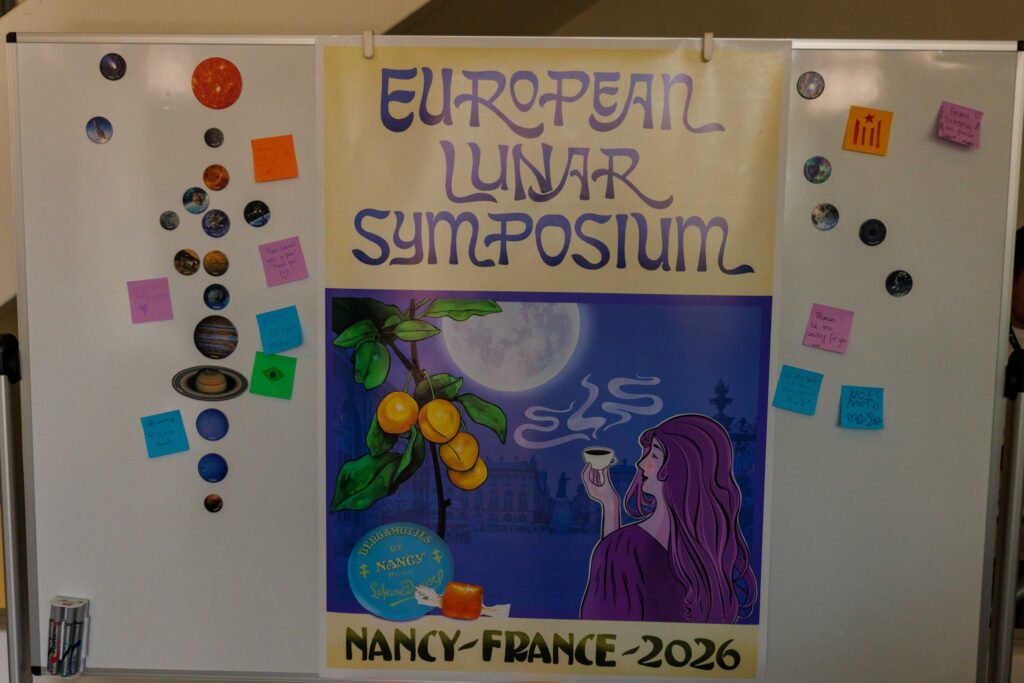
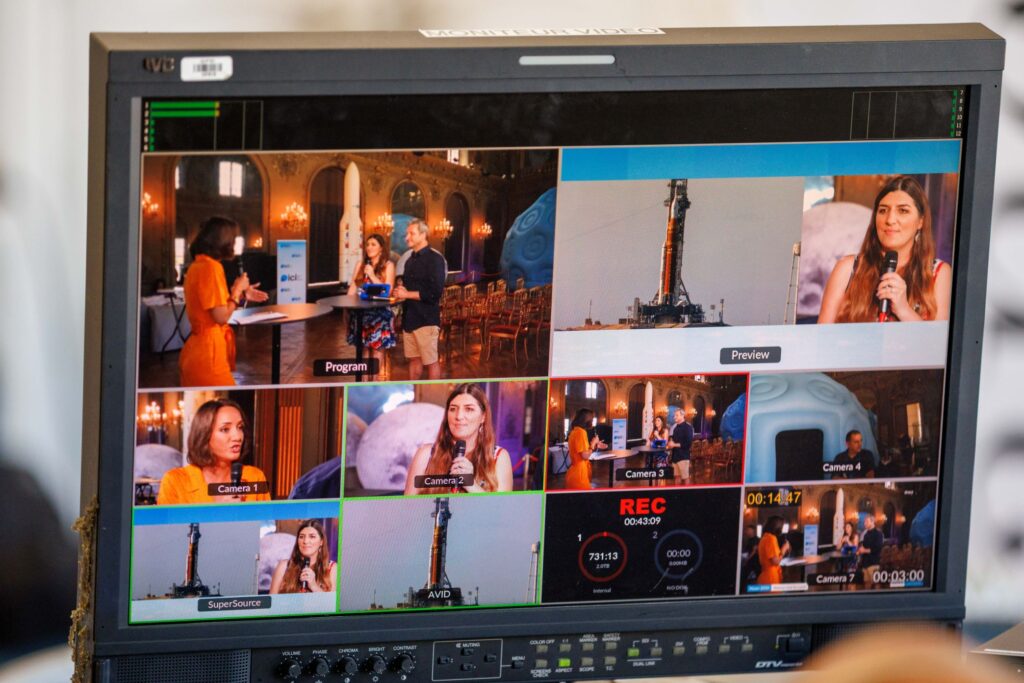
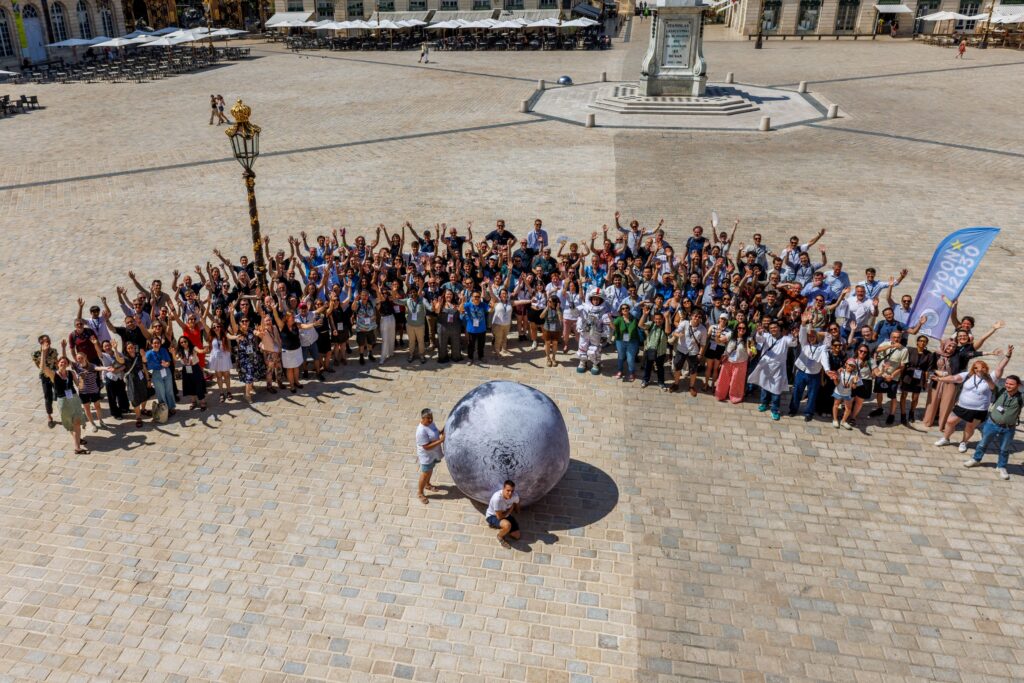
Held in the historic city of Nancy, France, from 22 to 26 June 2026, the European Lunar Symposium (ELS) 2026 brought together around 200 researchers, engineers, space professionals and students from across Europe and beyond to discuss the scientific and technological challenges of lunar exploration.
The symposium featured plenary sessions, poster presentations, industry discussions and public outreach activities covering topics ranging from lunar geology and in-situ resource utilisation to future exploration missions, surface technologies and scientific investigations. These themes are closely aligned with ESA’s long-term exploration objectives, which aim to strengthen Europe’s capabilities in robotic and human exploration of the Moon while advancing scientific knowledge and technological innovation.
A highlight of the week was the ESA Town Hall on Exploration-Focused Science Priorities, which examined the scientific and operational knowledge needed to support future exploration activities. Discussions focused on lunar resources, environmental effects, landing-site characterisation, crew health and performance, and the maturity of scientific payloads and technologies. Participants also explored opportunities for engagement through ESA programmes and funding mechanisms, followed by an interactive discussion on priorities for future exploration-focused science.
The topics discussed reflected the growing importance of the Moon as a destination for both robotic and human exploration. ESA’s exploration plans envisage a progressive development of European lunar capabilities, beginning with autonomous robotic missions aimed at understanding and characterising the lunar environment, including scouting, prospecting and resource assessment. These activities are intended to provide scientific knowledge while helping prepare technologies and operations for future human exploration.
ESA also organised two dedicated workshops during the symposium. Writing an ESA Proposal provided practical guidance on preparing competitive Invitations to Tender, while New vs Old Space examined fast-track development approaches, product assurance and risk management for future exploration projects.
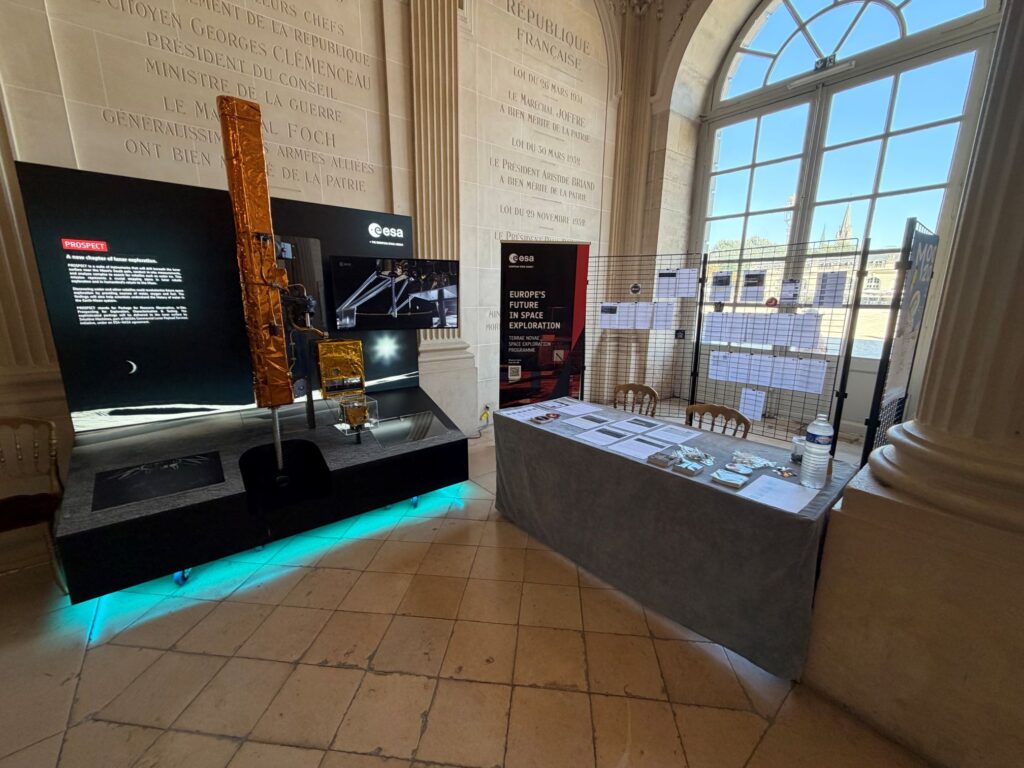
Beyond the scientific programme, ELS 2026 offered opportunities for public engagement through exhibitions, dedicated educational activities and a public lecture. Visitors could discover a model of ESA’s PROSPECT payload, which is being developed to investigate lunar resources, including water ice, and contribute to Europe’s wider lunar exploration objectives.
As Europe prepares the next phase of its exploration activities, events such as the European Lunar Symposium provide an important forum for bringing together the scientific community, industry and space agencies. The discussions in Nancy highlighted the strong connection between lunar science and exploration, helping to identify the knowledge, technologies and capabilities needed to support Europe’s future role on and around the Moon.
To the event page: European Lunar Symposium 2026

© Sylvain Schorr, David Heather