A Terrestrial Analogue for Microgravity
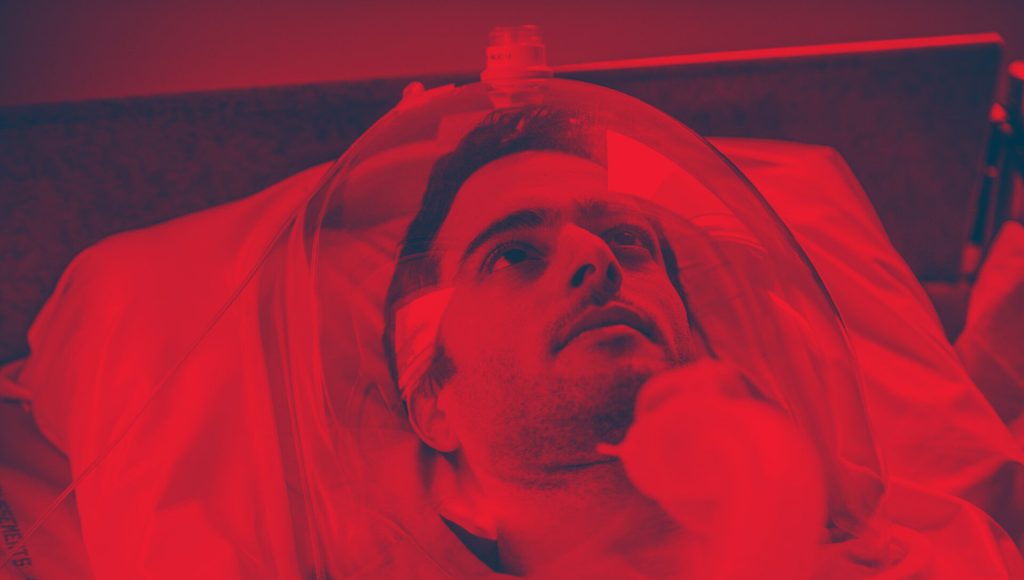
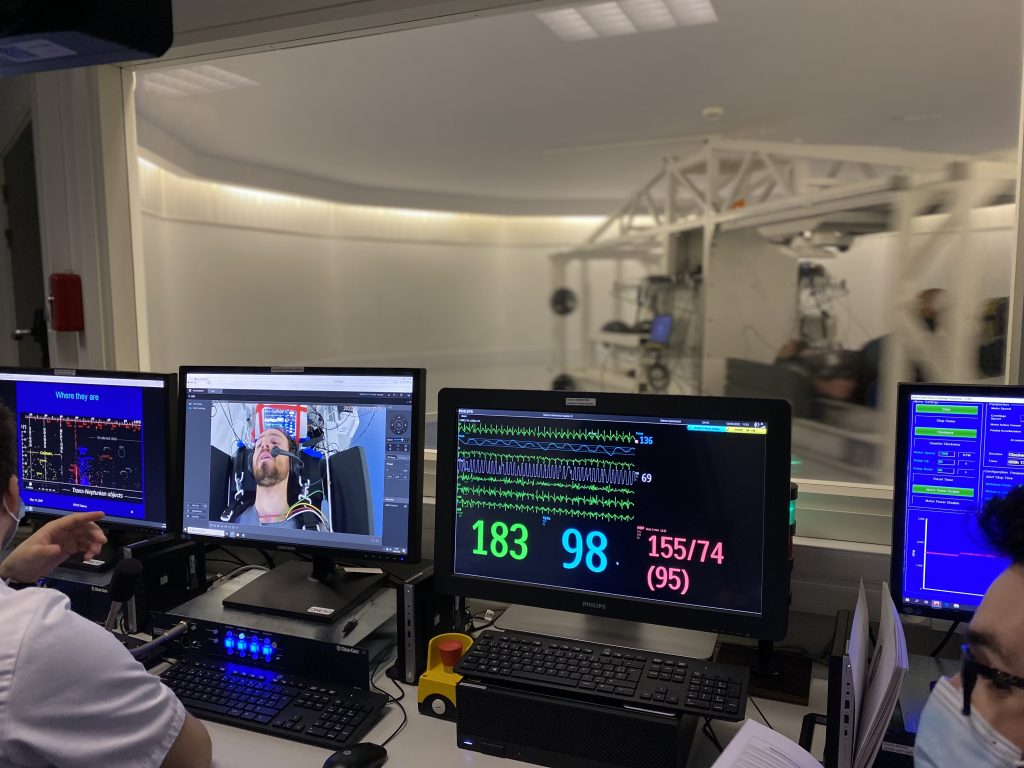
Head-down tilt (HDT) bedrest is a well-established analogue for studying physiological changes that occur during spaceflight. By simulating the fluid shifts and unloading of the musculoskeletal system seen in microgravity, bedrest provides a controlled environment for research on human adaptation and countermeasures.
Why Bedrest?
Bedrest studies allow:
- Fundamental research on mechanisms behind spaceflight-related changes
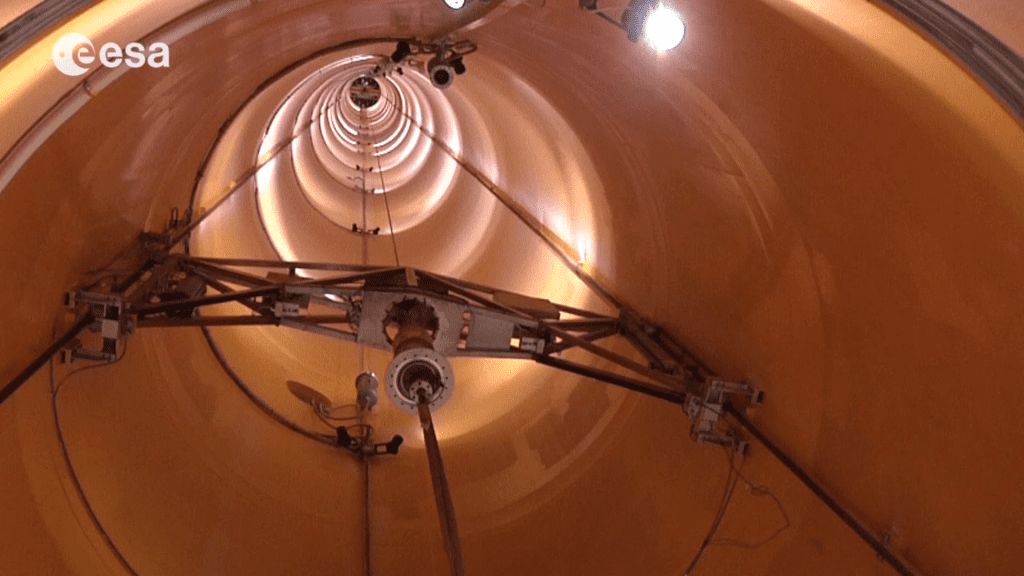
- Evaluation of countermeasures for long-duration missions, including exercise protocols, artificial gravity, and nutritional strategies
These investigations are critical for ensuring astronaut health and performance during extended stays in space.
ESA’s Role
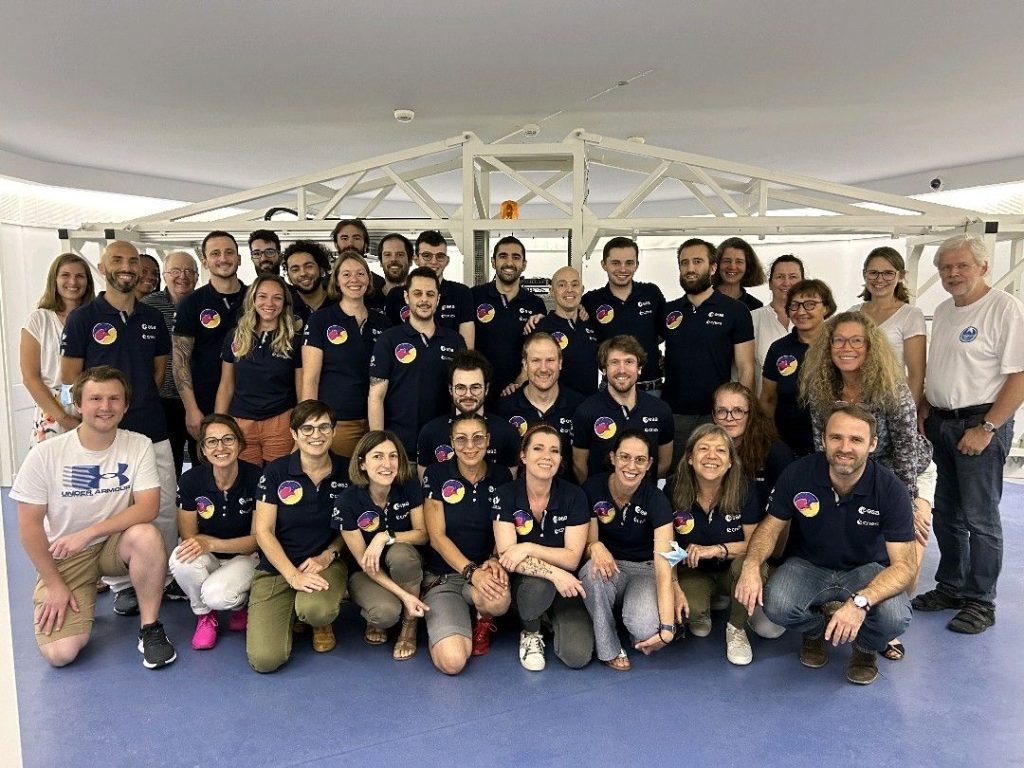
ESA has organised regular bedrest campaigns for many years, validating a wide range of countermeasures and collaborating with international partners to advance exploration science.
Learn More:
More information on ESA bedrest studies.