Short-Duration Microgravity Experiments
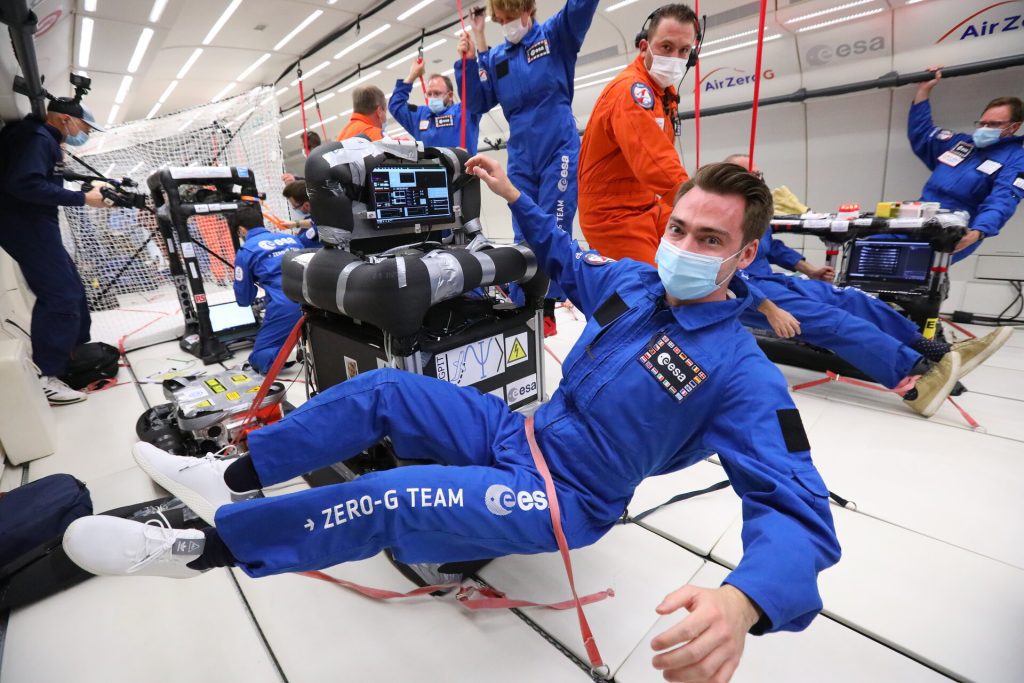
Drop towers provide true free-fall conditions for short-duration microgravity research, enabling scientists to study physical and biological phenomena without gravity-driven disturbances.
Why Drop Towers?
These multi-purpose facilities allow:
- Autonomous experiment packages to experience microgravity for up to 9.3 seconds
- Repeated drops or catapult launches for parameter screening and data collection
- Quantitative studies of processes with short characteristic times, such as fluid dynamics, combustion, and material behavior
Drop towers are ideal for experiments that require high precision and rapid observation under gravity-free conditions.
ESA’s Role
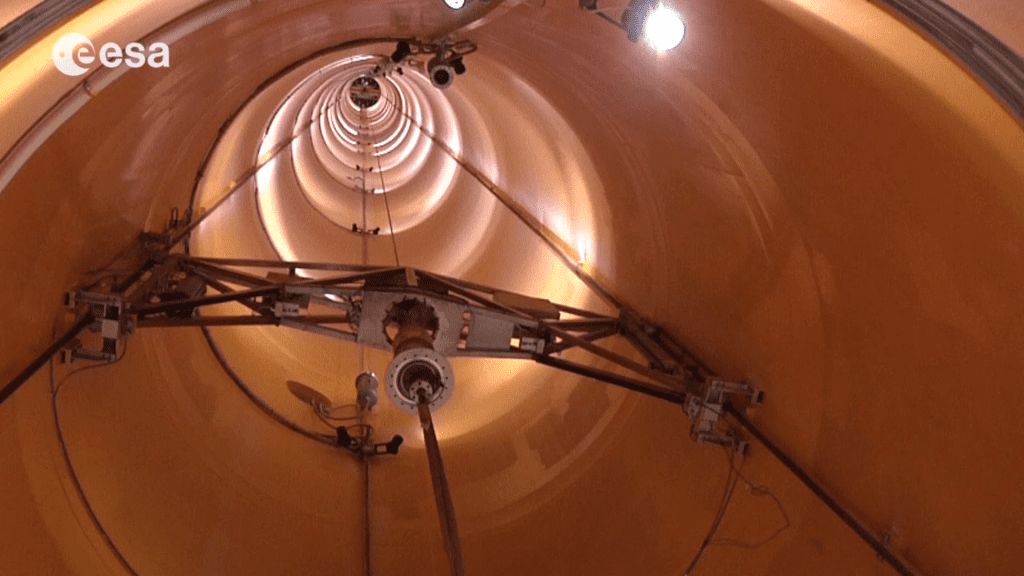
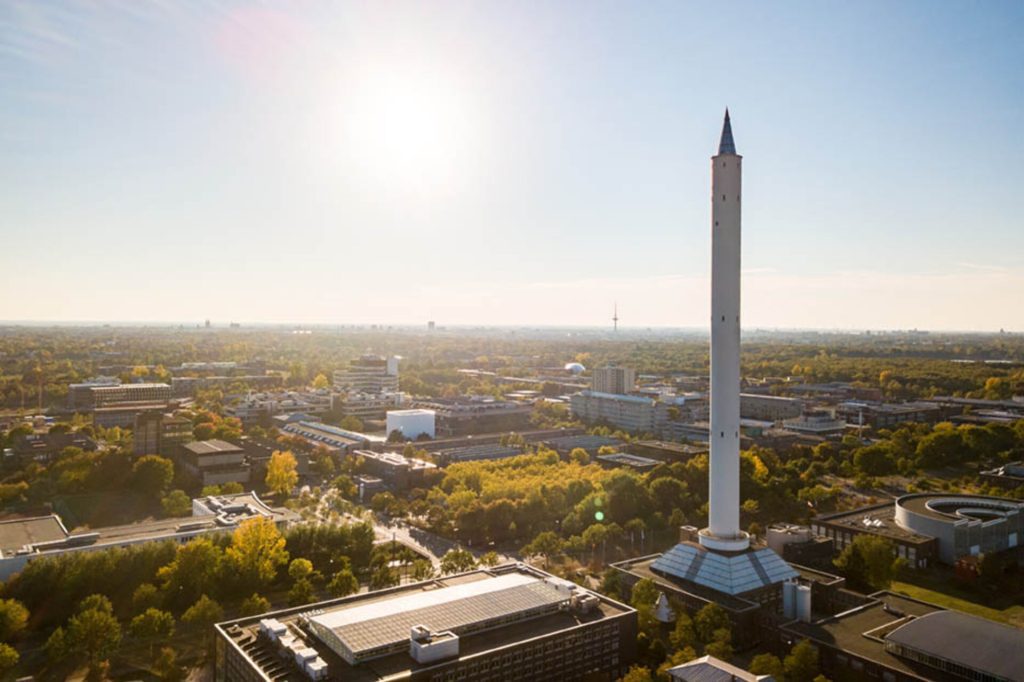
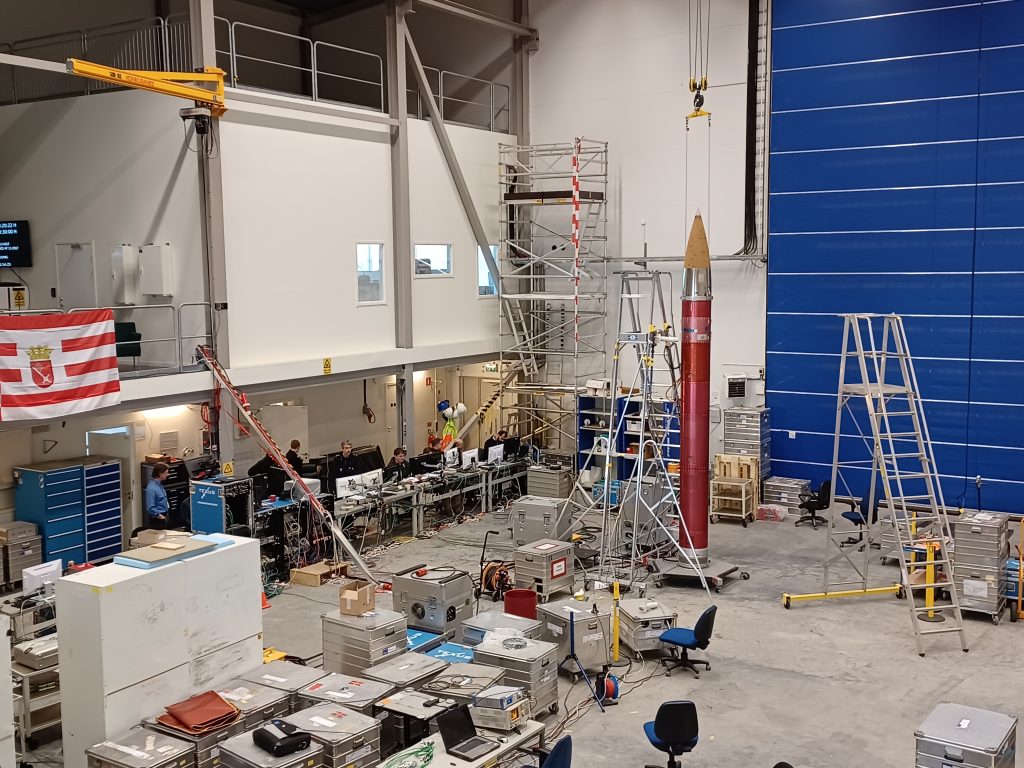
ESA collaborates with the ZARM Drop Tower in Bremen, Germany—a 146 m tall concrete structure housing an evacuated metal tube.
- Drop mode: 4.74 seconds of microgravity
- Catapult mode: 9.3 seconds of microgravity
Up to three experiments per day can be performed, supporting both fundamental research and countermeasure development for space exploration.
How to Participate
ESA offers access to the ZARM Drop Tower through a Continuously Open Research Announcement.
Submit proposals via the OSIP platform: Open Space Innovation Platform – OSIP – Channel: HRE Exploration Science AO – Drop Tower (DT)
- Scope: Life and Physical Sciences research relevant to spaceflight
- Goal: Contribute to safe and sustainable human exploration
Learn More
More information on ZARM Drop Tower: Labs and Test Facilities – ZARM